
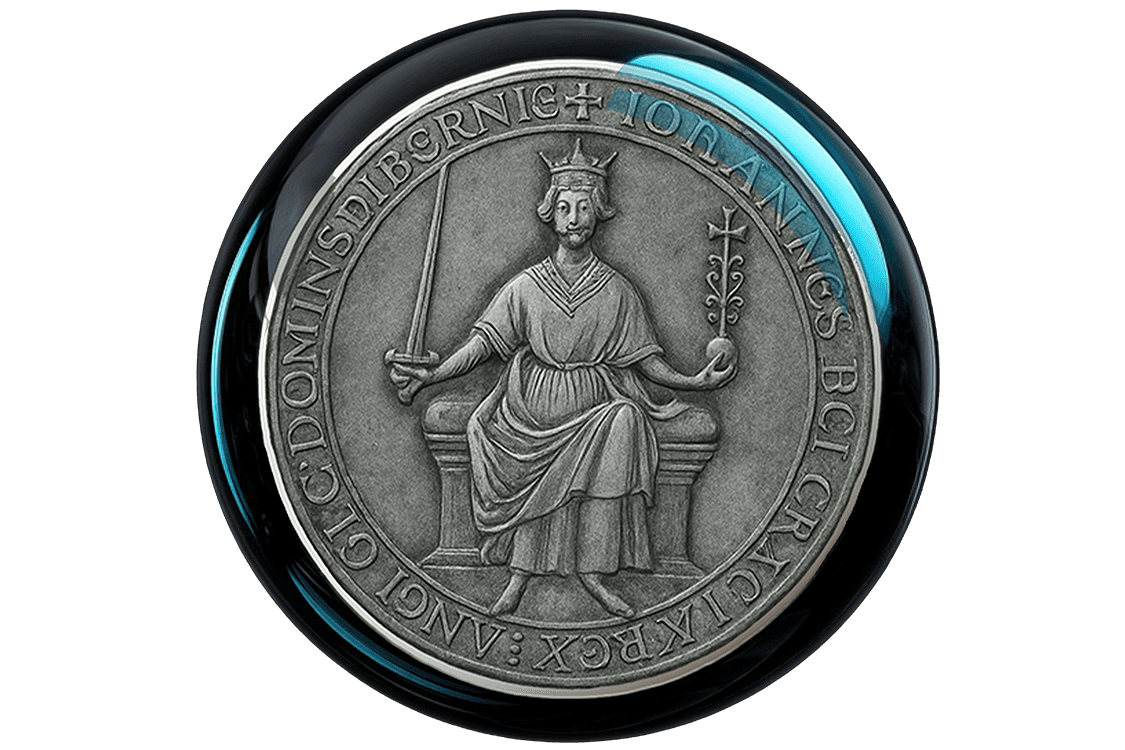
HUMAN MEMORY

Meaning
Associative, contextual, emotional, and embodied. It connects experience to identity and purpose, but recall remains adaptive and reconstructive.
What did this experience mean to me?
ECOSYNQ · MEMORY
Discovery · Evidence · Remembered Decisions
On the Causal page, separate clues converge into a discovery. Memory preserves the original observations, the proposed relationship, the evidence examined, and every revision—so you can revisit a conclusion and understand how it was reached.
 Evidence
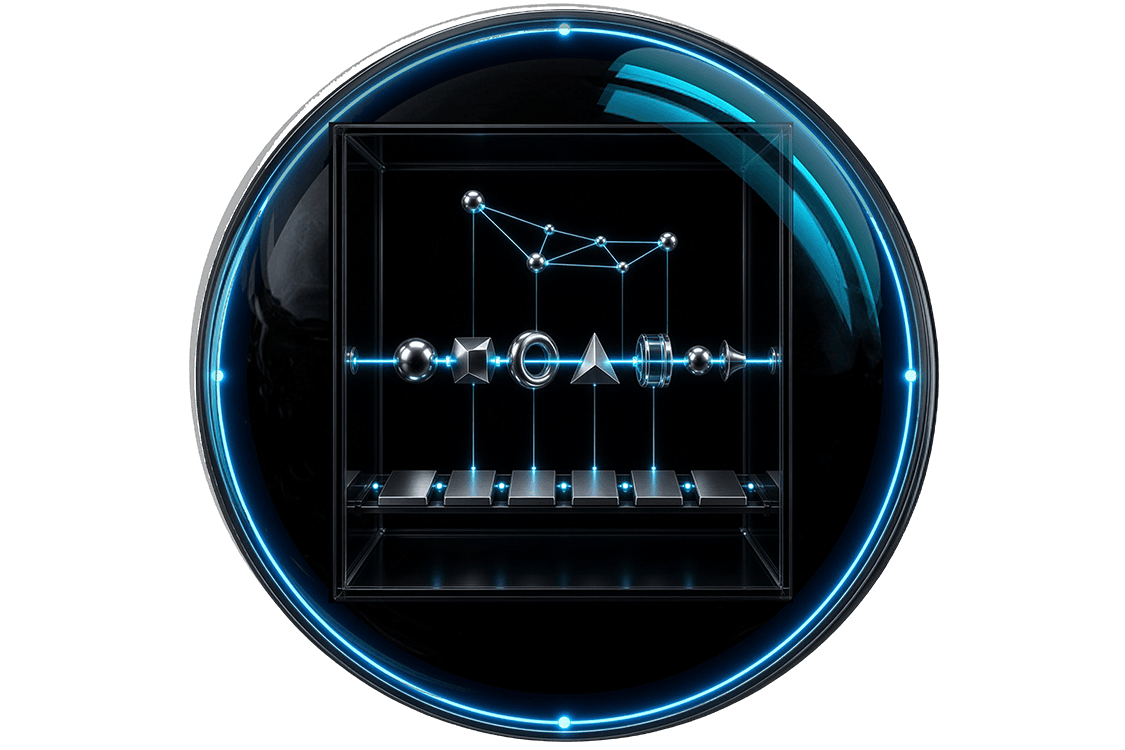
Human experience remains human. Evidence remains inspectable. Inference remains qualified. Quantum discovery remains testable. No later state silently rewrites the one before it.
 LEARN MOREWhy remember how a conclusion changed?What you’re seeing. What’s different. Why it matters to you.
Keep the original clue, the new evidence and the reason for the revision.
A lumber price fall may look like a cost saving until fixed-price purchase contracts are examined. A customer can see why the conclusion changed and reuse the investigation without losing the original evidence.
Memory follows an investigation through observations, recorded evidence, interpretations and supported or refused claims. These are different kinds of information, even when they concern the same business question.
An updated report can hide the path that led to its latest answer. This model preserves the earlier state and the evidence that changed the interpretation, so a later reviewer can follow the reasoning.
In the Causal lake’s authored example, lumber futures fall 15% and a discovery path reaches homebuilder D.R. Horton. What happens when later evidence changes the interpretation? Select a memory state to inspect the clue, its supporting evidence, and what remains unresolved. These are illustrative branches of one investigation, not a live company assessment or a mandatory sequence.
A new interpretation becomes another part of the history. The original observation and earlier reasoning remain available, so a reviewer can see what changed and why.
Explore the quantum and classical clues in the Causal lake, then return here to examine how their history is preserved.
Associative, contextual, emotional, and embodied. It connects experience to identity and purpose, but recall remains adaptive and reconstructive.
Classical systems preserve observations, records, relationships, and state history exactly, but records alone do not establish meaning, authority, causality, or truth.
Quantum systems can investigate interference, complex states, and candidate relationships that conventional systems may not know to search for.
When a discovery informs a decision, retain the source records, the method, the available evidence, and who approved its use. A later reviewer can reconstruct the decision as it stood then and compare it with what is known now.

Who participated, under what identity, and with what authority.
Observation time, receipt time, uncertainty, ordering, trajectories, and transitions.
Spatial, temporal, thematic, and semantic relationships surrounding an event.
Live graph state with immutable receipts, lineage, provenance, and finality.
What changed because of what, with uncertainty preserved and refusal permitted.
Relationships and collective-state structures conventional analysis may not know to search for.
The transition from observation and evidence into canonical computational knowledge.
The Causal lake illustrates how quantum-derived and classical observations can point to a shared neighbourhood. Memory preserves the candidate, its inputs, and the investigation that follows so later evidence can reinforce or revise it.
Quantum discovers where to look.
Classical compute investigates what is there.
Causal AI tests what produced what.
Magna Carta determines what may be claimed.
ProofDB preserves the evidence and result.
They struggle to reconstruct identity, state, temporal order, available evidence, AI reasoning, discovery lineage, and whether the current record still matches its original form.
EcoSynQ preserves not only what was recorded, but how the record was formed, transformed, evaluated, admitted, and used.
Admitted knowledge retains its identity, time, context, authority, provenance, and history.